Ski Touring
What is Ski Touring and Why is it So Popular?
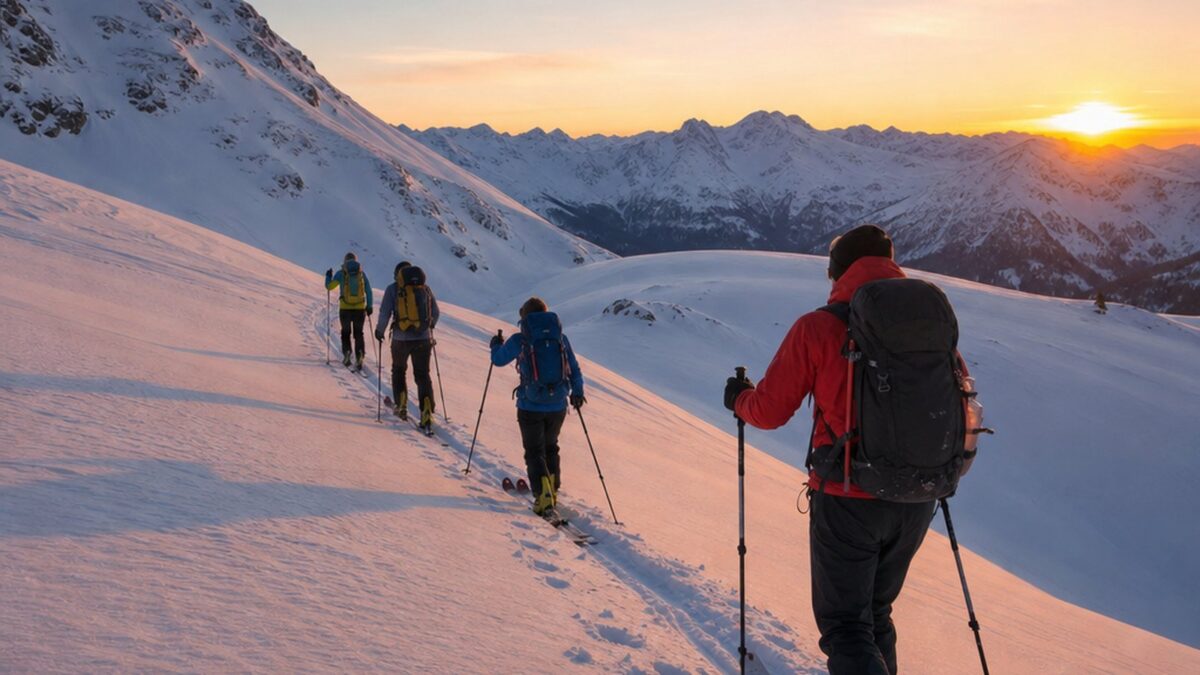
Ski touring, often used interchangeably with backcountry skiing or ski mountaineering, is the art of exploring winter mountains outside of resort boundaries without the use of ski lifts. It involves ascending slopes on skis before removing climbing aids and skiing back down. This simple concept unlocks a world of freedom, adventure, and pristine snow that has captivated an ever-growing number of skiers.
The appeal lies in its contrast to traditional resort skiing. Instead of queues and crowded pistes, ski touring offers solitude and a profound connection with the natural environment. The physical challenge of the ascent is a core part of the experience, fostering a deep sense of accomplishment. Skiers often talk about “earning your turns,” and the descent through untouched powder, far from any tracks, is a reward that is hard to match. It is a holistic mountain experience that combines the joy of skiing with the spirit of hiking and mountaineering.
The Mechanics: How Does Ski Touring Work?
Ski touring relies on specialised equipment that is ingeniously designed for both uphill and downhill travel. The process can be broken down into three phases: the ascent, the transition, and the descent.
The Ascent: To climb uphill, skiers attach “skins” to the base of their skis. These are strips of fabric, typically a mohair and nylon blend, with a directional pile that glides forward but grips the snow to prevent sliding backwards. Specialised touring bindings allow the heel to detach from the ski, creating a hinge at the toe that enables a natural walking or gliding motion. Touring boots have a “walk mode” which allows the cuff to pivot, providing greater ankle articulation for comfortable climbing.
The Transition: Upon reaching the summit or the desired point to begin the descent, the skier performs a transition. This involves taking off the skis, peeling off the skins and stowing them in a backpack. The bindings are then switched from “walk mode” to “ski mode,” locking the heel firmly to the ski. Finally, the boots are buckled tightly and switched back into their stiff ski mode.
The Descent: With the equipment configured for downhill travel, the final phase is pure skiing. This is the reward for the effort of the climb: making fresh tracks through variable, ungroomed snow conditions, from deep powder to spring corn snow.
Is Ski Touring Right for You? Fitness and Skiing Ability
While the allure of the backcountry is strong, it is not an activity for everyone. It demands a specific combination of physical fitness and skiing competency.
Fitness Level
Ski touring is a strenuous cardiovascular workout. The uphill portion is akin to hiking up a steep hill for several hours at altitude, while carrying a pack. A good baseline of aerobic fitness is essential. If you enjoy activities like running, cycling, or hillwalking and can sustain a moderate effort for a few hours, you likely have the required fitness for an introductory tour. It is always wise to start with shorter, less demanding objectives and gradually build your endurance.
Skiing Ability
You do not need to be a professional-level skier, but you must be a confident and competent off-piste skier. The backcountry has no grooming machines. You will encounter every type of snow imaginable, often on the same run: deep powder, heavy slush, wind-scoured crust, and ice. You must be able to control your speed and execute strong, linked turns on varied terrain, far from the safety of a patrolled area. Ski touring is not a suitable environment for learning to ski.
Essential Ski Touring Equipment
Having the right gear is not just about performance; it is fundamentally about safety. While it is possible to rent most items, a typical setup includes:
- Skis, Boots, and Bindings: This core setup is specifically designed for touring. Skis are generally lighter than their alpine counterparts. Boots feature a walk mode and grippy soles. Bindings allow the heel to lift for climbing and lock down for descending.
- Climbing Skins and Poles: Skins provide the uphill grip. Adjustable-length poles are highly recommended as they can be shortened for the ascent and lengthened for the descent.
- Avalanche Safety Gear: This is non-negotiable for any trip into the backcountry. The essential trinity consists of a transceiver (or beacon) for locating a buried person, a lightweight metal shovel for digging, and a probe for pinpointing their exact location under the snow.
- Backpack: A pack of around 30-40 litres is needed to carry safety gear, skins, extra layers, water, and food. Many backcountry skiers now use backpacks with integrated avalanche airbag systems for an added layer of safety.
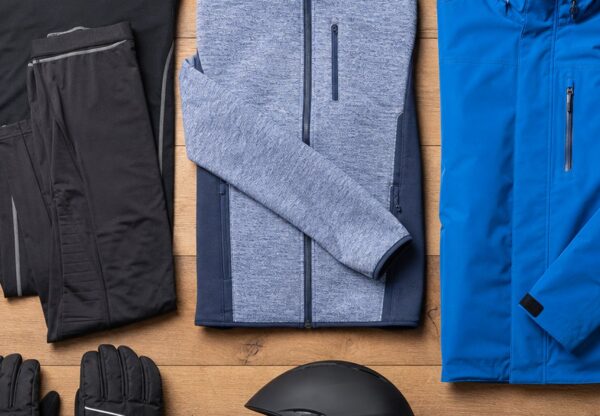
- Other Essentials: A helmet, layered clothing (avoiding cotton), navigation tools (map, compass, GPS device or phone with offline maps), a first-aid kit, and a headtorch are all vital components of a touring kit.
Safety First: Navigating the Backcountry
Venturing beyond resort boundaries means leaving behind ski patrol, marked runs, and avalanche control. You and your partners are entirely responsible for your own safety. This responsibility cannot be overstated.
The primary hazard in the winter backcountry is avalanches. Before every single trip, it is crucial to check the local avalanche forecast and understand the current conditions and risk level. However, reading a forecast is not enough. Proper training is essential. Taking a certified, multi-day avalanche safety course is the most important investment you can make. These courses teach you how to recognise hazardous terrain, understand snowpack stability, make informed decisions, and effectively perform a companion rescue.
Beyond avalanche risk, navigation, weather, and equipment failure are all potential issues. Never tour alone. Always ski with a trusted partner or group, maintain good communication, and make conservative decisions. The safest and most effective way to learn, especially when starting out, is to hire a fully qualified IFMGA mountain guide. They manage the risks, handle navigation, and have the experience to find the best and safest snow.
Getting Started and Finding Your Lines
The path into ski touring should be a gradual one, built on a foundation of education and experience.
First Steps: The best way to begin is by taking an introductory course or hiring a guide for a day. This provides a safe environment to learn how to use the equipment and practice basic techniques, such as the kick-turn for changing direction on steep slopes. Many people choose to rent equipment for their first few outings to determine what works for them before investing in a full setup.
Progression: Start with short tours on simple, low-angle terrain. Many ski areas have marked touring tracks or easily accessible “sidecountry” terrain just outside the boundary ropes, which can be a good place to practise. As your skills and confidence grow, you can venture further, tackling longer days and more complex terrain. Continuing your education with more advanced avalanche courses is a vital part of this progression.
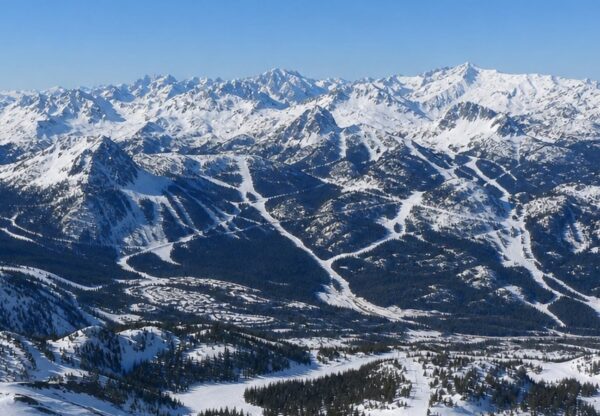
Destinations: The Alps are a ski touring paradise, with legendary routes around Chamonix, Verbier, and the Silvretta. However, excellent touring can be found in mountain ranges across the globe. Many resorts are fantastic bases for touring, offering lift access to high-altitude starting points. Our ski resort directory can help you find destinations with great backcountry access, from the vast wilderness of British Columbia to the dramatic fjords of Norway.
Ski touring opens up the mountains in a way that is simply not possible on a lift pass. It offers unparalleled rewards of adventure, fitness, and untracked snow. However, it demands respect, knowledge, and a commitment to safety. The most practical and valuable first step is not buying the latest gear, but investing in education and professional guidance. Learn from the experts, start slowly, and a lifetime of mountain adventure awaits.
FAQ
How fit do I need to be for ski touring?
A good baseline of cardiovascular fitness is required. If you can comfortably hike uphill for a few hours while carrying a small backpack, you should be able to manage an introductory ski tour.
Can I use my normal alpine ski equipment for touring?
No. Ski touring requires specialised equipment, including bindings that allow your heel to lift for climbing, boots with a 'walk mode' for ankle flexibility, and climbing skins for uphill grip.
Is ski touring dangerous?
It carries inherent risks not found in ski resorts, primarily from avalanches and unmarked terrain. These risks can be significantly managed through proper training, carrying the correct safety equipment, and making conservative decisions.
What is the most important piece of safety gear?
Your brain and your training are most important. For physical equipment, the non-negotiable items are an avalanche transceiver, a metal shovel, and a probe, and you must be proficient in using them.
What's the best way to try ski touring for the first time?
The safest and most enjoyable way to start is by hiring a certified mountain guide or joining an introductory course. They provide expert instruction, manage safety, and can often arrange equipment rental.
What is the difference between ski touring and splitboarding?
They are based on the same principle of human-powered ascent. Ski touring uses two skis for both climbing and descending. Splitboarding uses a snowboard that splits into two 'skis' for the ascent, which is then reassembled into a board for the descent.