How to Dress for Skiing: A Beginner’s Guide
The Foundation: Mastering the Layering System
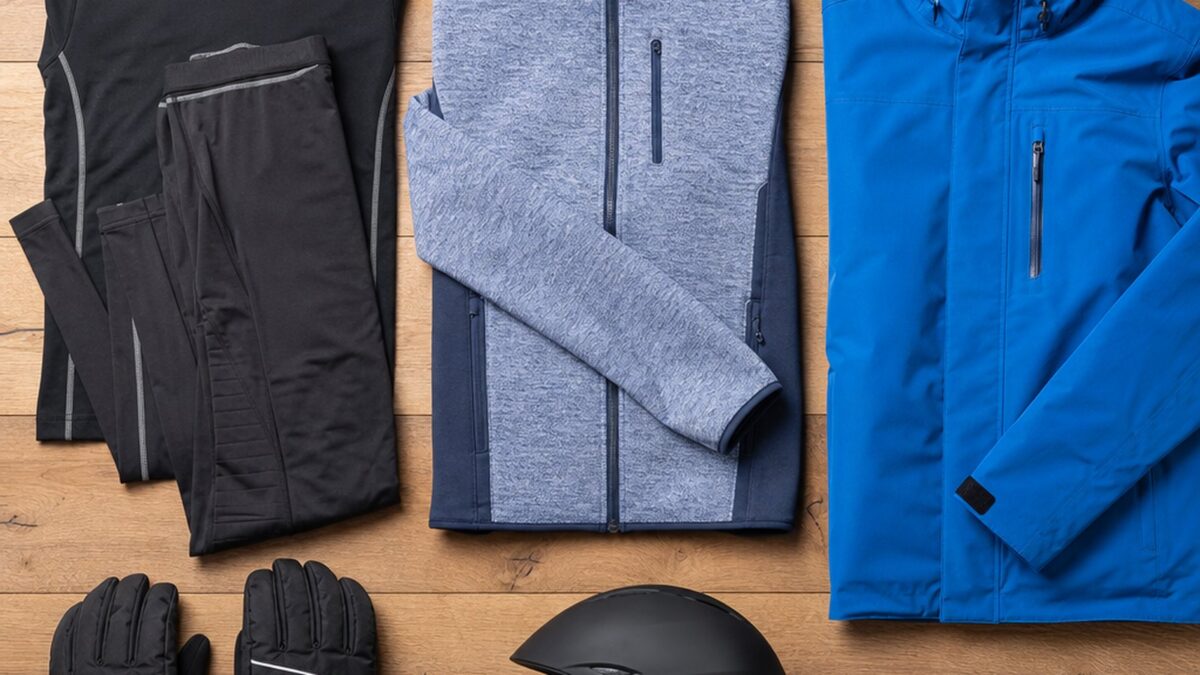
Dressing correctly for a day on the mountain is the key to comfort and enjoyment. The most effective approach is not to wear one thick, bulky jacket, but to use a layering system. This method traps air between thin layers, creating highly effective insulation that is far warmer and more adaptable than a single garment. A typical system consists of three distinct layers, each with a specific job.
The Base Layer: Your Second Skin
The base layer sits directly against your skin. Its primary purpose is not to provide warmth, but to manage moisture by wicking sweat away from your body. Keeping your skin dry is the first and most critical step to staying warm. Look for materials like merino wool or synthetic fabrics such as polyester. Merino wool is excellent at regulating temperature and naturally resists odours, while synthetics are highly effective at wicking and tend to be more affordable.
Crucially, avoid cotton at all costs. Cotton absorbs moisture and holds it against your skin, rapidly drawing away body heat and leaving you feeling cold and damp, especially on a chilly chairlift ride.
The Mid-Layer: Your Personal Thermostat
Worn over your base layer, the mid-layer’s job is to provide insulation by trapping your body heat. The most common and effective materials are fleece, wool, and modern synthetic insulated jackets (often called ‘puffers’). The beauty of the layering system is its adaptability; on a cold day, you might wear a fleece jumper, while on a frigid day, you could add a lightweight insulated jacket on top. Two thin mid-layers will often be warmer and more versatile than one thick one. Most people find a mid-layer for their legs is unnecessary, as your leg muscles generate plenty of heat while skiing.
The Outer Layer: Your Shield Against the Elements
The final piece of the puzzle is the outer layer, or shell. This consists of your ski jacket and salopettes (ski trousers). This layer must be waterproof and windproof to protect you from snow, sleet, and biting winds. It also needs to be breathable, allowing the moisture wicked by your base layer to escape. Look for garments with waterproof and breathability ratings; a rating of 10,000mm (or ’10k’) for both is a great starting point for reliable performance in typical resort conditions. Your outer layer can be a simple shell, relying on your mid-layers for warmth, or it can be an insulated garment with its own built-in padding.
Essential Ski Accessories from Head to Toe
Beyond the core layers, a few key accessories are non-negotiable for safety and comfort on the slopes. These items protect your extremities and vulnerable areas from the cold and the sun.
Headwear: A Helmet is Standard
Helmets are now standard equipment for skiers of all abilities. They provide essential protection and are often warmer and more comfortable than a simple hat. Many feature adjustable vents to help regulate your temperature. On particularly cold days, a thin balaclava or neck gaiter pulled up over your face provides excellent extra protection from windburn.
Eye Protection: Goggles and Sunglasses
Ski goggles are a must. They protect your eyes from wind, snow, and harmful UV rays, which are significantly stronger at high altitudes. Different lens colours enhance visibility in different conditions—darker tints for bright sunshine and lighter, high-contrast lenses (like yellow or rose) for overcast, ‘flat light’ days. It’s also wise to carry sunglasses for relaxing on a sunny terrace during your lunch break.
Hands: Ski Gloves or Mittens
Waterproof and insulated handwear is vital. The choice between gloves and mittens comes down to personal preference. Mittens are generally warmer as your fingers share a single compartment, generating more collective heat. Gloves provide better dexterity for tasks like adjusting boots or zips. Whichever you choose, ensure they are specifically designed for skiing to withstand cold and moisture.
Feet: The Importance of Proper Ski Socks
Your feet play a huge role in your comfort and performance. The golden rule is to wear only one pair of thin or medium-weight, ski-specific socks. These are designed to cushion your shins and wick moisture without bunching up. Materials like merino wool or synthetic blends are ideal. Never be tempted to wear two pairs of socks; this restricts blood circulation, which will ironically make your feet much colder and can cause painful pressure points inside your boot.
Common Clothing Mistakes to Avoid
For a successful first ski trip, steer clear of these common beginner pitfalls:
- Wearing Jeans or Cotton: As mentioned, cotton fabrics absorb water and will make you cold and miserable. Stick to technical fabrics designed for sport.
- Tucking Trousers into Boots: Your ski trousers (salopettes) are designed to go over the outside of your ski boots. This creates a seal that keeps snow from getting inside your boots.
- Forgetting Sun Cream: The sun’s reflection off the snow is incredibly powerful. Apply a high-SPF sun cream to all exposed skin, including your lips, even on cloudy days.
- Overdressing: Skiing is a physical activity that generates a lot of body heat. Trust your layering system and be prepared to remove a mid-layer if you start to feel too warm.
FAQ
Do I need to buy expensive ski clothes for my first time?
Not necessarily. While high-end brands offer advanced features, many affordable options provide the essential waterproofing and breathability you need. Focus on function over fashion. Renting outerwear is also a great option for your first trip.
Can I wear jeans for skiing?
No, you should never wear jeans for skiing. They are made of cotton, which has no insulating properties when wet. They will quickly become soaked with snow, freeze, and make you extremely cold and uncomfortable.
Are ski mittens or gloves better?
It's a matter of personal preference. Mittens are generally warmer because your fingers share body heat, but gloves offer better dexterity for handling zips and equipment. Both are good options as long as they are waterproof and insulated.
What is the most important piece of ski clothing?
A high-quality base layer and a waterproof outer layer are arguably the most critical. The base layer keeps you dry from the inside (sweat), and the outer layer keeps you dry from the outside (snow), which are the two keys to staying warm.
Should I wear a helmet when skiing?
Yes. Wearing a helmet is strongly recommended for all skiers and snowboarders, regardless of ability level. It is a crucial piece of safety equipment that protects you from head injuries.
Why is wearing two pairs of socks a bad idea for skiing?
Wearing multiple pairs of socks can restrict blood flow to your feet, which makes them colder, not warmer. It can also cause wrinkles and pressure points inside the ski boot, leading to significant discomfort and blisters.