Off-Piste & Freeride Skiing
What is Off-Piste and Freeride Skiing?
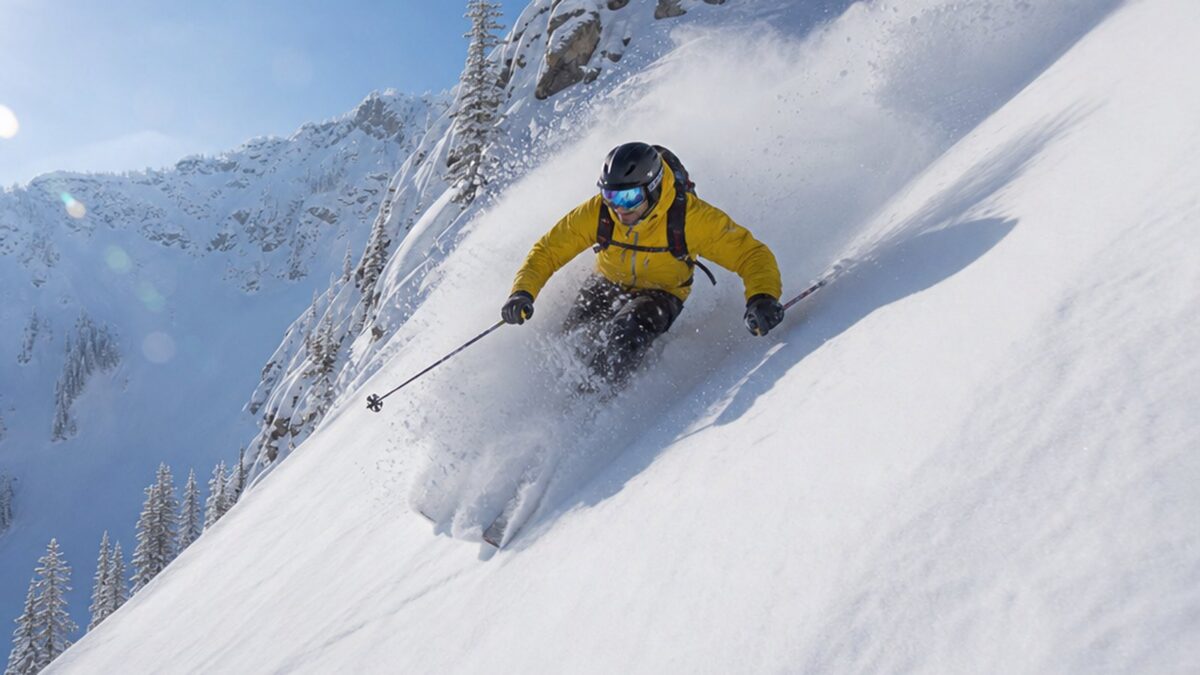
Off-piste skiing, in its simplest terms, means skiing on terrain that is not a prepared or marked ski run. It is the vast, wild expanse of the mountain beyond the groomed pistes. Freeriding is the discipline and style associated with this, focusing on creative and fluid descents on natural, ungroomed snow. It’s about leaving the queues and crowds behind to seek out the thrill of untouched powder, the challenge of variable snow, and a profound connection with the mountain environment.
The appeal is multi-faceted. For many, it’s the search for the euphoric, almost weightless sensation of floating through deep, light powder. For others, it’s the freedom to choose their own line down a mountain face, navigating natural features like pillows, couloirs, and tree-lined glades. It transforms skiing from a repetitive activity on a prepared surface into a dynamic adventure that demands constant awareness, skill, and respect for nature.
Is Off-Piste Skiing Right for You?
Before venturing beyond the piste markers, a skier must make an honest assessment of their ability, fitness, and mindset. This is not territory for the inexperienced.
Skiing Ability
A strong technical foundation is the absolute minimum requirement. An aspiring off-piste skier should be able to confidently and consistently execute strong, dynamic parallel turns on all marked runs, including steep black pistes. They must be comfortable at speed and able to adapt their technique to changing conditions, such as ice, moguls, or heavy snow, without losing control. The ability to make quick, short-radius turns is just as important as carving long, smooth arcs.
Fitness Level
Freeriding is significantly more physically demanding than skiing on groomed runs. The snow is often heavier and deeper, requiring greater strength and stamina to turn. Falls are inevitable, and simply getting up in deep powder can be an exhausting workout. A good level of cardiovascular fitness, strong legs, and a stable core are essential to ski safely all day and to handle unexpected challenges, such as a long traverse or a short hike to access a line.
Essential Equipment for Freeriding
Using the correct equipment is not just about performance; it is a critical component of safety. While standard piste equipment can suffice for tentative first turns beside a run, dedicated freeriding requires specialised gear.
Skis and Boots
Modern freeride skis are wider underfoot (typically 95mm to 120mm) than piste skis. This increased surface area provides ‘float’, helping the ski to stay on top of deep snow rather than sinking. Most also feature a ‘rocker’ profile, where the tip and sometimes the tail rise up earlier, which aids turn initiation and manoeuvrability in powder. Boots should be well-fitting and supportive, with some freeride-specific models offering a ‘walk mode’ for easier hiking.
The Avalanche Safety ‘Trinity’
This trio of items is non-negotiable for anyone leaving the marked pistes. More importantly, a skier must be expertly trained in how to use them.
- Transceiver: An electronic device worn on the body that constantly transmits a signal. In the event of an avalanche, the transceivers of the rescuers are switched to ‘search’ mode to locate the signal of a buried victim.
- Shovel: A lightweight, collapsible metal shovel is essential for digging someone out. Snow debris from an avalanche sets incredibly hard, and digging with hands or skis is impossible.
- Probe: A collapsible pole, typically 2-3 metres long, used to pinpoint the exact location and depth of a buried person after a transceiver search.
Backpack and Protection
A well-fitting backpack is needed to carry the safety trinity, water, food, and extra layers. An avalanche airbag backpack, which inflates to help keep a skier closer to the surface of an avalanche, is now considered standard safety equipment by many serious freeriders. A helmet is essential protection against falls and impacts with hidden obstacles like rocks and trees.
Safety: Understanding and Mitigating the Risks
The freedom of off-piste skiing comes with inherent risks, the most significant being avalanches. However, with the right knowledge, preparation, and decision-making, these risks can be managed effectively.
The cardinal rule is to never ski off-piste alone. Always go with a partner or a group, and ensure everyone is equipped and trained. The single most important safety measure is to hire a qualified IFMGA mountain guide or a top-level ski instructor with off-piste credentials. Their expertise in assessing snowpack stability, understanding weather patterns, and navigating complex terrain is invaluable. They know where to find the best and safest snow based on the day’s conditions.
Before every trip, consult the local avalanche forecast. This report, issued daily, details the current avalanche danger level on a scale of 1 (Low) to 5 (Very High) and provides crucial information on which aspects and elevations are most hazardous. Understanding this report is a fundamental skill for any off-piste skier.
Getting Started and Improving Your Skills
Progression in freeriding should be a gradual and respectful process. The best way to start is by booking an off-piste instruction course with a local ski school or a private guide. They will provide a safe, controlled environment to learn the specific techniques required for skiing powder and variable snow. This often involves a more centred stance, smoother and more rhythmic movements, and learning to use the whole body to steer the skis.
Initial practice can take place in ‘tracked-out’ powder just beside the pistes. This allows a skier to get a feel for the different sensations without being too far from safety. As confidence and skill grow, a guide can lead the way to more challenging terrain, from open powder bowls to tree skiing and steeper pitches. Taking a dedicated avalanche safety course is a critical step in this progression. These courses provide hands-on training in companion rescue, snowpack assessment, and safe travel protocols.
Where to Find the Best Freeride Terrain
Certain resorts have built a global reputation for their exceptional and easily accessible off-piste terrain. These destinations typically offer high altitudes, reliable snowfall, and a vast network of lifts that provide access to a huge variety of freeride options.
In France, Chamonix is the undisputed capital of big-mountain skiing, offering legendary descents like the Vallée Blanche. The Espace Killy, linking Val d’Isère and Tignes, provides an enormous playground of lift-accessed off-piste. In Switzerland, Verbier is famous for its challenging itineraries and hosts the finals of the Freeride World Tour. Austria’s St. Anton am Arlberg is another classic, renowned for its extensive and demanding off-piste routes. For a detailed look at these and other destinations, explore our comprehensive ski resort directory to find the perfect base for your next adventure.
Off-piste skiing offers unparalleled rewards, but it demands respect, preparation, and education. The single most important step for any aspiring freerider is to invest in professional instruction and guidance. A qualified guide will not only keep you safe but will also unlock the mountain’s best-kept secrets, transforming a good day into an unforgettable one.
FAQ
What ski level do I need for off-piste?
You should be a confident advanced skier, comfortable making strong parallel turns on all marked runs, including black pistes, in various conditions.
Is off-piste skiing dangerous?
It carries inherent risks, primarily from avalanches and unmarked obstacles. These risks can be significantly mitigated through education, proper equipment, and skiing with a qualified professional guide.
What is the most essential off-piste equipment?
Beyond appropriate skis and boots, the non-negotiable safety kit is an avalanche transceiver, a metal shovel, and a probe. An avalanche airbag backpack is also highly recommended.
Can I teach myself to ski off-piste?
It is strongly discouraged. The safest and most effective way to learn is by hiring a qualified ski instructor or mountain guide who can teach you the specific techniques and essential mountain safety skills.
What's the difference between freeride and backcountry skiing?
Freeride skiing typically refers to accessing off-piste terrain using ski lifts. Backcountry or ski touring involves ascending on skis using skins to access terrain far from the resort boundaries.
Do I need special skis for powder?
While you can manage on all-mountain skis, dedicated powder or freeride skis, which are wider underfoot (typically 95mm+), provide much better float and make skiing deep snow easier and more enjoyable.