Night Skiing
What is Night Skiing and Why is it So Popular?
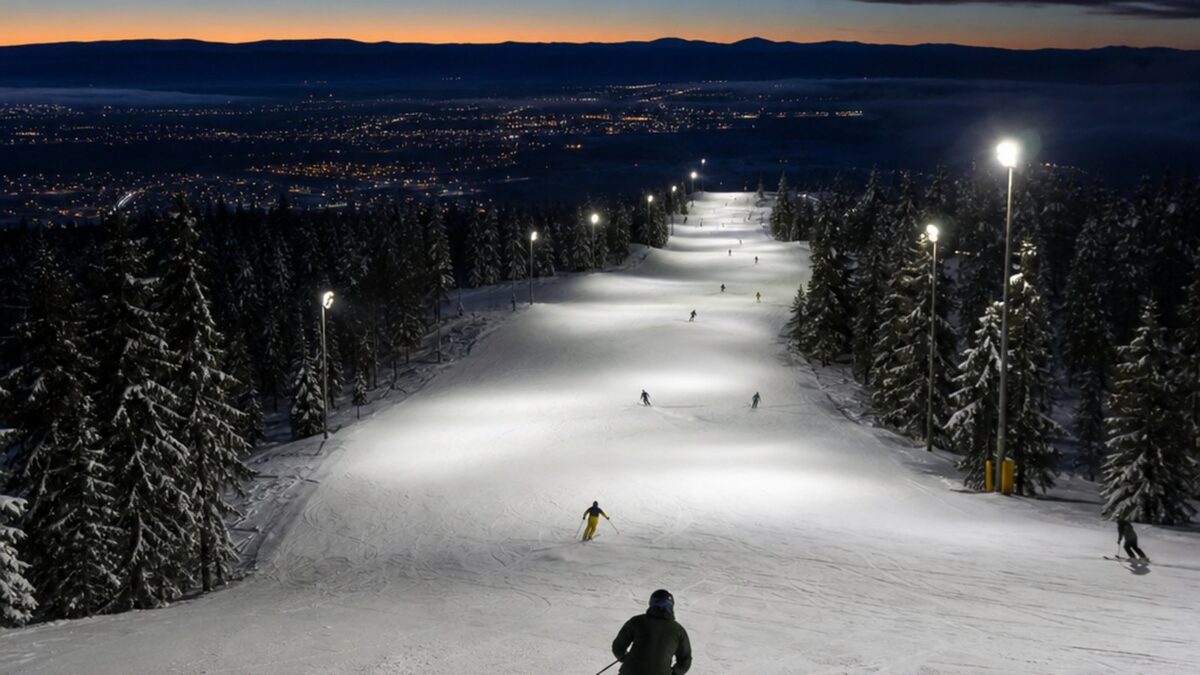
Night skiing offers a completely different perspective on the mountain. When the sun sets and the daytime crowds depart, a select number of pistes are illuminated by powerful floodlights, allowing skiing and snowboarding to continue into the evening. This transforms familiar slopes into an entirely new environment, creating a unique and often magical atmosphere.
The appeal is multi-faceted. For many, it’s the sheer beauty of the experience: gliding down a crisp, quiet slope under a starry sky, with the twinkling lights of the resort village below. The air is colder, the snow is often firmer, and the relative silence is a stark contrast to the hustle and bustle of a peak-time piste. This serene setting provides a sense of exclusivity and adventure.
Beyond the aesthetics, night skiing is practical. It effectively extends the skiing day, which is a significant bonus for those on a short break or for anyone arriving in resort late in the afternoon. It allows you to maximise your time on the snow. Furthermore, the slopes are typically far less crowded than during the day, meaning more space to carve turns and fewer lift queues. For enthusiasts, it’s a chance to experience the mountain in a different state, observing how the snow conditions change as the temperature plummets.
The Practicalities: How Night Skiing Works
Resorts that offer night skiing do not simply keep all their lifts running. Instead, they designate specific areas for the activity. These are usually one or two main pistes, often a wide, intermediate-level blue or red run that is easily accessible from the main village. The runs are lined with high-powered floodlights that illuminate the snow, though it’s important to note that the lighting creates a different kind of visibility, with shadows and areas of lower contrast.
Operation is also distinct from the daytime schedule. Night skiing usually runs on specific evenings of the week, perhaps two or three times, rather than every night. It typically starts an hour or two after the main lifts close, around 17:00 or 18:00, and continues until 21:00 or 22:00.
A standard day lift pass will almost always expire before the night session begins. Access requires a separate ticket, which can be purchased for the evening only. Some multi-day or season passes may include night skiing as a perk, but it is essential to check this in advance. To support the evening’s activities, at least one mountain restaurant or bar at the base of the floodlit area often remains open, providing a welcome spot for a hot chocolate or glühwein to warm up.
Who is Night Skiing For?
While the idea of skiing under the stars is romantic, it is not always the best environment for complete beginners. The combination of artificial light, colder temperatures, and potentially firmer or icier snow conditions can be challenging for those still mastering the basics of balance and control. Night skiing is therefore best suited to confident intermediate and advanced skiers and snowboarders who are comfortable on a variety of terrain and can adapt to changing visibility.
Fitness is another key consideration. Skiing is a demanding physical activity, and heading out for an evening session after a full day on the slopes can lead to fatigue. Tired muscles increase the risk of accidents and injury. For this reason, many people treat night skiing as a standalone event, perhaps taking a relaxed afternoon beforehand. If you do ski during the day, ensure you take a substantial break to rest, rehydrate, and refuel before heading back out.
The experience is particularly popular with groups of friends and families with teenagers, offering a fun and memorable evening activity. It also provides a unique and romantic setting for couples looking to add something special to their holiday itinerary.
Essential Equipment and Clothing
Your standard skis, boots, and helmet are perfectly suitable for night skiing, but specific adjustments to your clothing and accessories are vital for both comfort and safety.
Clothing
Temperatures drop dramatically and quickly once the sun disappears. Dressing warmly is non-negotiable. A robust layering system is the most effective approach:
- Base Layer: A high-quality thermal top and leggings made from merino wool or a synthetic equivalent to wick moisture away from the skin.
- Mid-Layer: A fleece or lightweight insulated jacket to trap body heat.
- Outer Layer: Your usual waterproof and windproof ski jacket and trousers.
Pay special attention to extremities. A warm hat or liner under your helmet is essential, as is a neck gaiter or balaclava to protect your face and neck from the biting cold. Insulated, waterproof gloves or mittens are absolutely crucial; cold hands can ruin the experience and become a safety issue.
Goggles
This is the single most important piece of specialised equipment for night skiing. Wearing the wrong lens can be disorienting and dangerous. Standard daytime lenses, especially dark, mirrored, or polarised ones, are designed to reduce light and glare. At night, they will make it almost impossible to see. You must use a clear or low-light lens. These are typically yellow, amber, or rose-coloured, and are designed to enhance contrast and maximise the available light, helping you to read the texture of the snow in the floodlit conditions.
Safety on the Slopes After Dark
While resorts take care to make night skiing safe, the unique conditions require extra vigilance from participants.
- Visibility and Shadows: Floodlights create an unnatural lighting environment. Be aware of long shadows cast by other skiers and undulations in the terrain. These can play tricks on your perception of the slope. Reduce your speed and ski more cautiously than you might during the day.
- Ice Formation: As the temperature drops, the groomed snow surface can refreeze, leading to firm, fast conditions and the formation of icy patches. Stay alert to changes in the snow texture underfoot.
- Stay on Designated Trails: This is a critical rule. Never, under any circumstances, venture away from the marked and floodlit pistes. The surrounding terrain is unlit, unpatrolled, and presents serious dangers, including unmarked obstacles and drop-offs.
- Ski with a Partner: Avoid skiing alone at night. Having a companion is a sensible precaution in case of a fall or any other issue.
- Avoid Alcohol: Save the après-ski drinks for after you have finished skiing. Alcohol impairs judgement, coordination, and reaction times, and its effects are amplified in a cold, dark environment.
- Know Who to Call: Ensure you have the resort’s ski patrol emergency number saved in your phone before you head up the lift.
Finding the Best Resorts for Night Skiing
Night skiing is not available everywhere, but it is a celebrated feature in many resorts across the globe. It is often found in larger ski areas with the infrastructure to support it, as well as in regions with a strong winter sports culture, such as Scandinavia, Austria, and parts of North America. Some resorts offer just one floodlit run, while others provide a more extensive network, including illuminated snow parks and toboggan runs.
Destinations like Schladming in Austria are famous for their extensive night skiing on the Hochwurzen mountain, while many resorts in France, Italy, and Switzerland offer it on a weekly basis. To find destinations offering this unique activity, browse our comprehensive ski resort directory and check the resort-specific features and weekly event schedules.
When choosing a resort, consider what you want from the experience. Are you looking for a long, cruising run for top-to-bottom laps, or a floodlit terrain park to practise tricks in the evening? Researching what is on offer will help you find the perfect fit for your trip.
The key to a successful and enjoyable night skiing adventure is preparation. By dressing for the cold, using the correct goggle lens, and respecting the unique challenges of the nocturnal mountain environment, you can unlock one of the most memorable experiences a ski holiday has to offer.
FAQ
Is night skiing suitable for beginners?
It is generally recommended for confident intermediate skiers and above. The combination of artificial light, shadows, and colder, potentially icier conditions can be challenging for those still learning basic control.
Do I need a special lift pass for night skiing?
Yes, in most cases. A standard day pass usually expires before the evening session begins. Night skiing typically requires a separate ticket, although some multi-day or season passes may include it as a benefit.
What kind of goggles should I wear for night skiing?
It is essential to use goggles with a clear or a low-light lens (often yellow, amber, or rose-tinted). These lenses enhance contrast in artificial light. Standard sunglasses or dark goggle lenses are unsuitable and dangerously reduce visibility.
How cold does it get during night skiing?
Significantly colder than during the day. Temperatures drop quickly after sunset, so it is vital to wear extra layers, a warm hat under your helmet, a neck gaiter, and high-quality insulated gloves or mittens.
Are all the slopes open for night skiing?
No, only a select number of designated pistes are open. These runs are equipped with powerful floodlights and are groomed for the evening. It is extremely dangerous to ski or snowboard off these marked trails at night.
Is night skiing safe?
It is safe if you follow the rules and ski responsibly. Always stick to the floodlit pistes, ski with a partner, manage your speed for the conditions, and do not ski if you are tired or have consumed alcohol. Be aware of potential icy patches.