Heli-Skiing
What is Heli-Skiing and Why is it So Appealing?
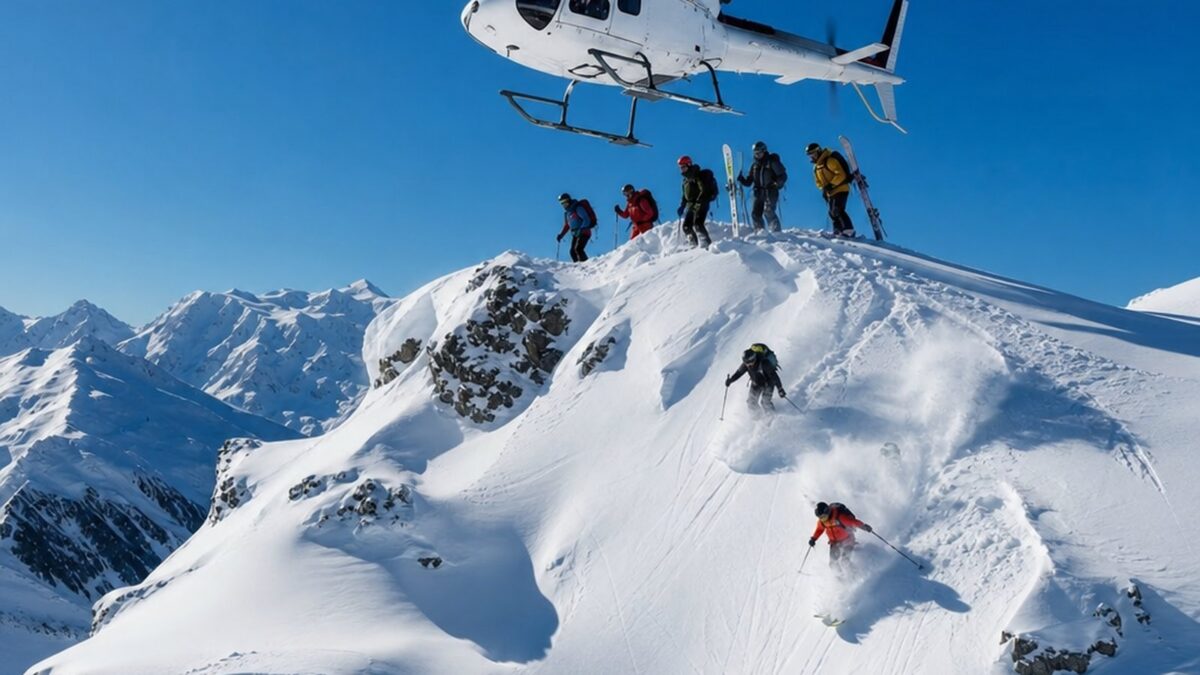
Heli-skiing is the ultimate off-piste experience, swapping ski lifts and queues for a helicopter and vast, untouched mountain terrain. In essence, it involves being flown to the top of a remote peak and skiing or snowboarding down through pristine, untracked snow. It represents the pinnacle of mountain freedom for many winter sports enthusiasts.
The appeal is multifaceted. First and foremost is the snow. Heli-skiing provides access to deep, light powder that is often impossible to find within the boundaries of a ski resort. The sheer scale of the terrain is another major draw; instead of lapping the same off-piste routes, you have entire mountain ranges as your private playground. Each run is a fresh descent on a new face. The experience is also about solitude and escape. Far from the crowded pistes, a heli-ski group often has the wilderness to themselves, creating a profound sense of adventure and connection with nature. The scenic flight itself, offering a bird’s-eye view of jagged peaks and sprawling glaciers, is an unforgettable part of the journey.
A Typical Day on a Heli-Ski Trip
While packages vary from single-day excursions to week-long stays in remote lodges, the structure of a flying day follows a well-established pattern focused on safety and maximising time on the snow.
The day begins early with a detailed briefing. The lead guide will discuss the day’s plan, current weather forecasts, and snowpack stability. This is followed by an essential safety session where everyone is issued with avalanche safety equipment—a transceiver, shovel, and probe—and trained on its correct use. Everyone practises a transceiver search to ensure they are comfortable with the procedure.
Next comes the helicopter safety briefing, covering how to approach and exit the aircraft safely and how to load and unload equipment. Once complete, the small group (typically 4-6 guests per guide) boards the helicopter. The flight to the first drop zone is a thrilling experience in itself. The pilot will land skillfully on a designated peak or ridge, and skiers exit, crouching low while the helicopter takes off. In the sudden silence, the scale of the environment is truly felt.
The guide leads the way, skiing one section at a time and managing the group to ensure safety on the descent. The run can be thousands of vertical feet through open bowls, gladed trees, or steep couloirs. At the bottom, the helicopter will be waiting to pick the group up and whisk them to the top of the next run. This cycle repeats throughout the day, often with a break for a scenic lunch served in the heart of the mountains. A typical day can include anywhere from six to over a dozen runs, depending on the length of the descents and the speed of the group.
Is Heli-Skiing Right for You? Skill and Fitness
A common misconception is that heli-skiing is reserved for elite, professional athletes. While it is not for beginners, it is accessible to a wide range of experienced skiers and snowboarders. The key is not extreme skill, but confident competence in variable conditions.
Skill Level
You should be a strong intermediate to advanced off-piste skier. This means you are comfortable and confident skiing or riding any run in a resort and have significant experience in off-piste terrain. Crucially, you must be able to handle variable snow conditions, from deep, light powder to heavier snow, wind-packed slabs, or crud. You don’t need to be perfectly stylish, but you must be able to maintain control and link turns consistently in challenging, untracked snow.
Fitness
A good level of physical fitness is essential. Skiing deep powder uses different muscles and requires significantly more energy than skiing on groomed pistes. A day of heli-skiing involves thousands of vertical metres of descent. Strong legs and core stability are vital for preventing fatigue and injury. A solid base of cardiovascular fitness will ensure you can enjoy the whole day without becoming exhausted after just a few runs. It is highly recommended to engage in a pre-trip fitness programme focusing on strength and endurance.
Essential Equipment and Safety Protocols
Safety is the number one priority for all reputable heli-ski operators. This is reflected in the equipment provided and the strict protocols followed by guides and pilots.
Specialised Gear
While you bring your own boots and personal clothing, most operators provide the two most critical pieces of equipment: skis and safety gear. They offer a selection of modern, wide powder skis or snowboards that are specifically designed for deep snow, making the experience more enjoyable and less strenuous. The mandatory safety kit, often called the ‘holy trinity’, includes an avalanche transceiver, a lightweight shovel, and a probe. In recent years, avalanche airbag backpacks have become standard issue at most operations. These packs are designed to be deployed in an avalanche to help keep the wearer on the surface, significantly increasing survival chances.
Safety Procedures
Every trip is led by a professionally certified and highly experienced mountain guide. These individuals are experts in snow science, avalanche forecasting, route-finding, and emergency medical response. They make all decisions regarding which terrain is safe to ski on any given day. Guests must understand that the guide’s word is final. Following their instructions on where and when to ski is not just a suggestion; it is a critical component of the group’s safety. Constant communication between the guide, the pilot, and the operations base ensures everyone is aware of changing conditions.
Getting Started and Finding the Right Destination
For those looking to try heli-skiing for the first time, a single-day trip is an excellent starting point. This provides a taste of the experience without the commitment and cost of a full week-long lodge package. Many resorts in our ski resort directory serve as excellent bases for heli-skiing day trips, particularly in the Alps.
Different regions around the world offer distinct styles of heli-skiing:
- Canada: British Columbia is the undisputed home of heli-skiing, with numerous operators offering everything from rustic lodges to luxury experiences. It is known for its vast tenures, reliable snowfall, and exceptional tree skiing.
- Alaska: The terrain here is legendary for being steep and dramatic, as seen in countless ski films. It is generally considered a destination for more advanced and expert skiers seeking the ultimate challenge.
- Europe: Heli-skiing in the Alps is often done as single or multi-drop day trips from major resorts in Switzerland (e.g., Verbier, Zermatt) and Italy (e.g., Courmayeur). It offers incredible high-alpine scenery and glacial terrain, though regulations are stricter than in North America.
- Other Destinations: For the truly adventurous, options exist in places like Iceland for skiing from summit to sea, Japan for its incredibly deep powder, and even the Himalayas for high-altitude expeditions.
Heli-skiing is an achievable dream for any strong, adventurous off-piste enthusiast. It is an investment in an unparalleled experience. The key to a successful trip lies in honest self-assessment of your abilities, choosing a reputable operator that matches your goals, and above all, trusting the expertise of your guides. It is the definitive way to experience the wildness and beauty of the mountains.
FAQ
How good do I have to be to heli-ski?
You don't need to be a professional, but you should be a strong intermediate to advanced skier, confident on all off-piste terrain and in variable snow conditions like deep powder.
Is heli-skiing dangerous?
All backcountry skiing carries inherent risks. However, reputable heli-ski operators have stringent safety protocols, highly trained guides, and provide essential safety equipment to mitigate these risks as much as possible.
What if the weather is bad and the helicopter can't fly?
Operators have 'down day' policies. For day trips, the trip may be cancelled or postponed. On multi-day lodge trips, there are often alternative activities, and some operators offer refunds or credits for missed days.
Do I need special skis for heli-skiing?
Yes, wider powder skis are essential for deep snow. Most heli-ski operators include the use of high-performance powder skis or snowboards in the price of their packages.
Can snowboarders go heli-skiing?
Absolutely. The experience is often called heli-boarding. Snowboarders should be advanced riders comfortable in deep powder and on the long, flat traversing sections that can sometimes be encountered.
How much does heli-skiing cost?
Costs vary significantly by location and package. A single-day trip in Europe might cost several hundred Euros per person, while a week-long package in a remote Canadian lodge can cost many thousands.