Learn to Ski as an Adult: Top Tips for Beginners
Is it Hard to Learn to Ski as an Adult?
The idea of learning to ski as an adult can seem daunting. While children often take to the slopes with fearless abandon, adults tend to be more cautious. However, the rewards are immense. The feeling of gliding down a mountain, surrounded by spectacular scenery and crisp alpine air, is an experience that captivates millions. The good news is that it’s never too late to learn. In fact, adults now make up over a third of all beginner ski lessons, proving that age is no barrier to discovering a passion for the mountains.
Learning any new skill requires patience, and skiing is no different. You will likely spend some time feeling awkward and may fall over more than once. But with the right preparation and mindset, you can progress quickly and safely, unlocking a sport that offers a lifetime of enjoyment and adventure.
What to Expect in Your First Week
Understanding the typical progression can help manage expectations and build confidence. While everyone learns at a different pace, a week of lessons with a professional instructor often follows a similar pattern.
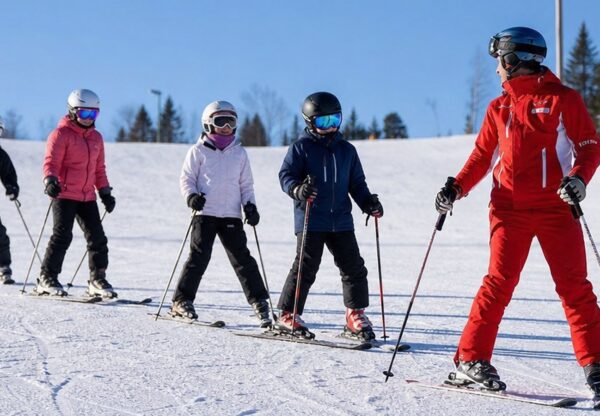
- Day 1: The Basics. Your first day will focus on familiarisation. You’ll learn about your equipment—how to put on ski boots (a challenge in itself!), click into your skis, and how to get up after a fall. You’ll practise sliding on a flat area before moving to a gentle nursery slope to learn the ‘snow-plough’ or ‘wedge’ position for controlling your speed and making basic turns.
- Day 2: Linking Turns. Building on day one, you’ll work on linking your snow-plough turns smoothly from left to right. You will gain more control over your speed and direction. This is often the day you take your first chairlift, which is a key milestone for any new skier.
- Day 3: Exploring the Mountain. With your confidence growing, you’ll move from the nursery slopes to easy green or blue runs. The focus will be on reinforcing your turning skills on slightly more varied terrain, learning to adapt to different gradients and snow conditions. For many, this is the day it all starts to ‘click’.
- Days 4 & 5: Building Fluency. The latter half of the week is about consolidation. You’ll spend more time exploring the resort’s easier runs, becoming more comfortable and fluid in your movements. Your instructor may introduce the concept of moving towards parallel turns, where the skis are brought closer together, which is the next step in your skiing journey.
Preparing for Your First Ski Trip
A little preparation before you travel can make a significant difference to your first experience on the snow. Setting yourself up for success starts long before you click into your skis.
Choose a Beginner-Friendly Resort
Not all ski resorts are created equal, especially for beginners. An ideal first-time resort will have a large, easily accessible nursery area with gentle slopes, often served by ‘magic carpet’ conveyor-belt lifts. Look for resorts with a high proportion of green and easy blue runs, which will provide a natural progression once you’re ready to leave the beginner zone. Some resorts also offer reduced-price lift passes that only cover the beginner areas, which can be a cost-effective option for your first few days.
Improve Your Ski Fitness
Skiing uses muscles that you may not engage regularly in your day-to-day life. Arriving with a reasonable level of fitness will help you learn faster, ski for longer, and reduce the risk of injury. You don’t need an intensive gym routine; a few weeks of focused exercise can work wonders. Concentrate on:
- Leg Strength: Squats, lunges, and wall sits build endurance in your quadriceps and glutes.
- Core Stability: Planks and leg raises will help you maintain balance and control on the slopes.
- Cardio: Activities like cycling, running, or swimming will improve your overall stamina for long days in the mountains.
Essential Tips for Your First Days on Snow
Once you’re in the resort, a few key choices will ensure your introduction to skiing is as positive and enjoyable as possible.
Prioritise Professional Instruction
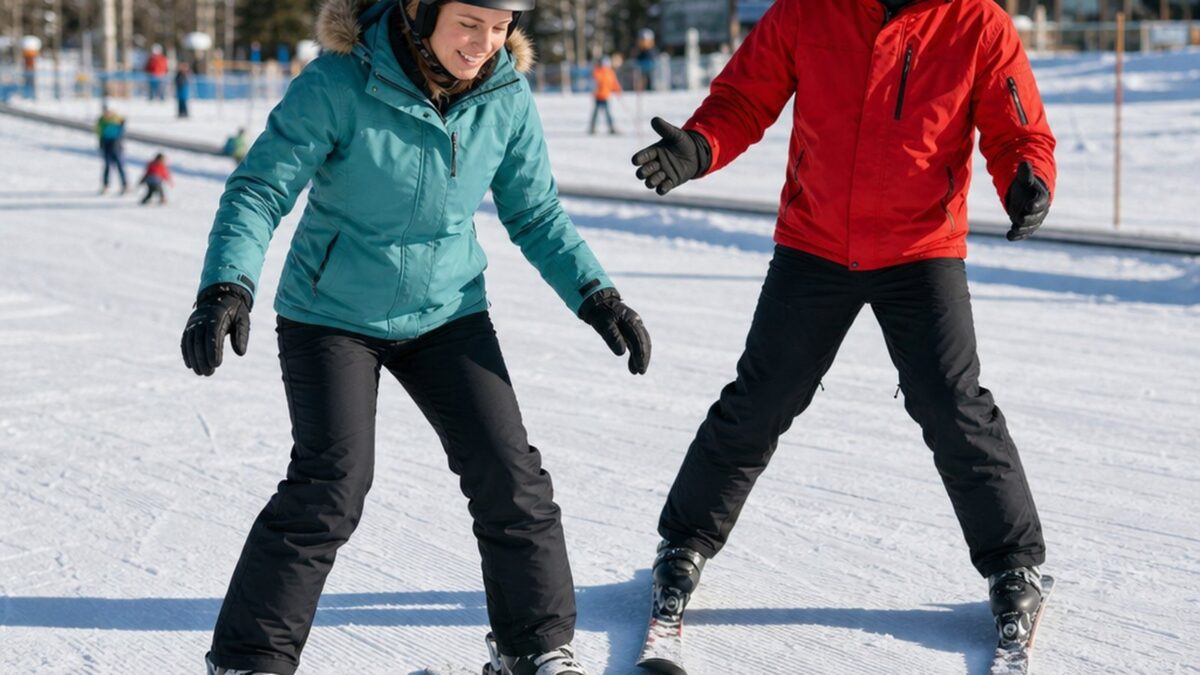
While it may be tempting to accept an offer from a well-meaning friend or partner to teach you, this often leads to frustration for both parties. A qualified ski instructor is trained to teach in a safe, structured, and encouraging way. They know the best terrain for learning, can identify and correct technical faults early, and will help you build a solid foundation of skills. This prevents you from picking up bad habits that can be difficult to unlearn later.
Get the Right Equipment
Properly fitting equipment is crucial for both comfort and safety. Ski boots are the single most important piece of kit. They are your connection to the skis, and boots that are too loose, too tight, or simply the wrong shape for your feet can ruin a day on the slopes. Always rent from a reputable hire shop where the staff take the time to measure your feet and find a boot that fits snugly and comfortably. A good boot fitter will make all the difference.
Dress for the Conditions
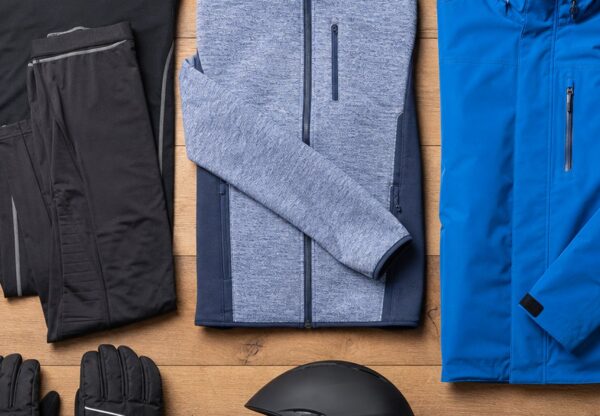
There’s a popular saying in the mountains: “There’s no such thing as bad weather, only bad clothing.” Staying warm and dry is essential. The key is to dress in layers that you can add or remove as conditions change.
- Base Layer: A thermal top and leggings made from merino wool or a synthetic fabric to wick moisture away from your skin.
- Mid-Layer: A fleece or light insulated jacket to provide warmth.
- Outer Layer: A waterproof and windproof ski jacket and trousers (salopettes).
Don’t forget accessories: warm ski socks (one pair is enough), waterproof gloves or mittens, goggles to protect your eyes from sun and snow, and a helmet for safety.
Be Patient With Yourself
Finally, remember to be patient. Every skier, including the experts you see flying down the mountain, started exactly where you are. You will fall, you might feel frustrated at times, but persistence pays off. Give yourself at least three days to get the hang of it. The initial learning curve is often the steepest, but once you find your balance and rhythm, you’ll be rewarded with a feeling of freedom that will have you coming back to the mountains year after year.
FAQ
Is it difficult to learn to ski as an adult?
Learning to ski as an adult presents a learning curve, but it is an achievable and rewarding goal for most people. Adults tend to be more cautious than children, but with professional instruction and patience, progress can be swift. A reasonable level of fitness will also help.
How long does it take to learn to ski?
Most adult beginners who take a week of lessons can ski independently on green and easy blue slopes by the end of their first holiday. The key is consistent practice and professional guidance to build a solid foundation.
What should I wear for my first ski lesson?
Dress in layers. Start with a moisture-wicking base layer, add a fleece for warmth, and finish with a waterproof and windproof ski jacket and trousers. Essential accessories include ski socks, waterproof gloves, goggles, and a helmet.
Do I need to be very fit to learn to ski?
You don't need to be a professional athlete, but a good baseline of fitness is beneficial. Skiing is a full-body workout. Focusing on leg strength (squats, lunges) and core stability (planks) beforehand will improve your stamina and reduce the risk of injury.
Should I learn from a friend or a professional instructor?
It is highly recommended to learn from a qualified instructor. They provide a safe and structured learning environment, ensuring you develop correct techniques from the beginning. Learning from friends can often lead to frustration and the development of bad habits.
Is private or group ski school better for an adult beginner?
Both have their advantages. Group lessons are a social and cost-effective way to learn the fundamentals with people at a similar level. Private lessons offer one-on-one attention and a tailored approach, which can lead to faster progression.